← Interior Decorating & Styling
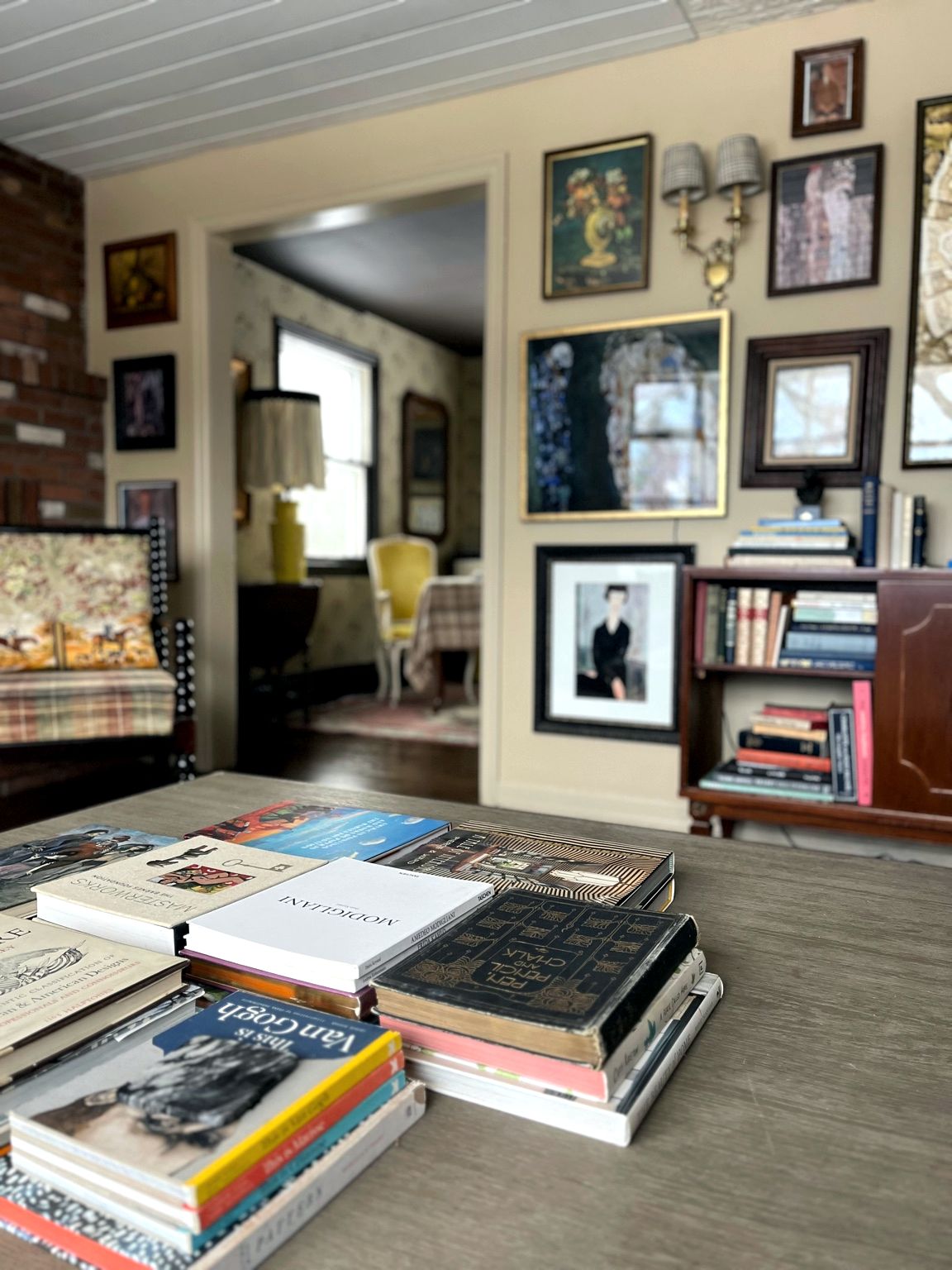
Building a room around art, antiques or a meaningful object
Start from one piece, take your colors and scale from it, and mix vintage and new so the room feels collected.
- Time
- A few hours to plan
- Level
- Beginner
You'll need
- Photos of the room and the key piece
- Tape measure
- Paint and fabric samples
01Start with the anchor
- 1.Choose the one piece the room is about: a painting, a rug, an antique chest, a wallpaper.
- 2.Photograph it in daylight and pull three to five colors from it. The Color Palette Creator samples the real colors from a photo.
- 3.Give it the best position: the wall you see first on entering, or opposite the main seating.
- 4.Let it set the scale. A large painting needs a substantial piece of furniture beneath it; a delicate object needs a calmer backdrop.
02Mixing vintage and styles
- —Repeat something — a wood tone, a metal, a color, a curve — so different periods talk to each other.
- —Balance ornate and plain. An elaborate antique next to a simple modern lamp lets both stand out.
- —Vary heights and visual weight: a tall cabinet, a low table, a leggy chair.
- —Check old furniture for loose joints and stability before use, and anchor tall pieces to the wall, especially in homes with children.
03Colors, textiles and finishes
- —A simple distribution: the main color on the largest surfaces (walls, rug), a secondary color in larger furniture and curtains, and an accent in small doses.
- —Mix textures — linen, wool, velvet, wood, brass, painted surfaces — so a restrained palette still feels rich.
- —Test paint samples on several walls and look at them morning and evening; screens and small chips mislead.
- —Repeat each accent color at least twice in the room.
General guidance for beginners. Always follow the manufacturer's instructions for products you use, and ask a qualified professional where safety is a concern.